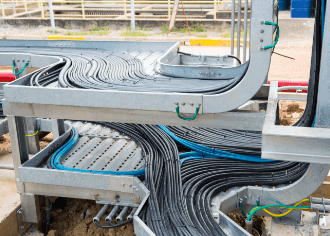
In today’s rapidly evolving digital landscape, the backbone of any successful facility lies in its structured cabling infrastructure. Whether you’re managing a small office building, a sprawling manufacturing complex, or a multi-tenant commercial facility, the quality and reliability of your cabling system directly impacts operational efficiency, security, and future scalability. This comprehensive guide explores the essential aspects of structured cabling upgrades and maintenance, providing facility managers and IT professionals with the knowledge needed to make informed decisions about their infrastructure investments.
Understanding Structured Cabling Systems
Structured cabling represents a standardized approach to telecommunications infrastructure that supports multiple hardware uses and provides a flexible foundation for future technology upgrades. Unlike traditional point-to-point cabling, structured systems create an organized network architecture that can accommodate voice, data, video, and security systems through a unified infrastructure platform.
The modern structured cabling system consists of several key components including entrance facilities, equipment rooms, backbone cabling, horizontal cabling, work area outlets, and telecommunications closets. Each component plays a crucial role in ensuring seamless connectivity throughout the facility while maintaining the flexibility to adapt to changing technological requirements.
The importance of properly designed structured cabling cannot be overstated in today’s interconnected business environment. A well-planned infrastructure serves as the foundation for critical systems including computer networks, telephone systems, security cameras, access control systems, and building automation technologies. The integration of these systems through a unified cabling platform not only reduces complexity but also enhances reliability and maintainability.
The Evolution of Cabling Standards and Technologies
The structured cabling industry has undergone significant transformations over the past decade, driven by increasing bandwidth demands, emerging technologies, and evolving workplace requirements. Modern facilities require cabling systems that can support not only current applications but also future technological developments including Internet of Things (IoT) devices, high-definition video conferencing, cloud computing, and advanced security systems.
Category 6A and fiber optic cabling have become the standard for new installations, offering superior performance characteristics compared to legacy Cat5e systems. These advanced cable types provide the bandwidth capacity needed for modern applications while ensuring long-term investment protection. The transition from copper to fiber optic backbone systems has enabled facilities to support higher data rates over longer distances while reducing electromagnetic interference concerns.
Power over Ethernet (PoE) technology has revolutionized structured cabling by enabling the delivery of both data and power through a single cable connection. This innovation has simplified the installation and maintenance of IP-based devices including wireless access points, IP cameras, VoIP phones, and LED lighting systems. The latest PoE standards support power delivery up to 100 watts, opening new possibilities for device integration and system consolidation.
Planning Seamless Cabling Upgrades
Successful structured cabling upgrades require careful planning and assessment to ensure minimal disruption to ongoing operations. The upgrade process begins with a comprehensive evaluation of existing infrastructure, including cable testing, pathway analysis, and capacity assessment. This evaluation helps identify potential bottlenecks, obsolete components, and areas requiring immediate attention.
Modern facilities benefit from phased upgrade approaches that allow for continued operations during the transition period. Strategic planning enables the implementation of new cabling systems in sections, reducing downtime and allowing for thorough testing before full deployment. This approach is particularly valuable for mission-critical facilities that cannot afford extended service interruptions.
The integration of new cabling systems with existing infrastructure requires careful consideration of compatibility issues, performance requirements, and future expansion needs. Professional assessment helps identify the optimal upgrade strategy, whether involving complete system replacement, selective component upgrades, or hybrid approaches that leverage existing investments while incorporating new technologies.
Advanced Maintenance Strategies for Optimal Performance
Proactive maintenance represents a critical component of successful structured cabling management, helping prevent issues before they impact operations while extending system lifespan. Regular maintenance activities include cable testing, connection inspection, documentation updates, and performance monitoring to ensure optimal system performance.
Cable testing using advanced diagnostic equipment helps identify potential problems including signal attenuation, crosstalk, and impedance mismatches that can affect network performance. Regular testing schedules enable early detection of degradation patterns, allowing for preventive maintenance before failures occur. Documentation of test results provides valuable trend analysis data that supports informed decision-making regarding maintenance priorities and upgrade timing.
Environmental monitoring plays an increasingly important role in structured cabling maintenance, as temperature, humidity, and other environmental factors can significantly impact cable performance and longevity. Modern monitoring systems provide real-time alerts when conditions exceed acceptable parameters, enabling rapid response to potential issues before they cause system failures.
Integration with Security and Monitoring Systems
The convergence of structured cabling with security and monitoring systems has created new opportunities for comprehensive facility management solutions. Modern cabling infrastructure must support an increasing array of security technologies including IP cameras, access control systems, intrusion detection devices, and environmental monitoring sensors.
Surveillance and security systems rely heavily on robust structured cabling infrastructure to deliver high-quality video feeds and reliable communication between system components. The bandwidth requirements for modern security cameras, particularly those supporting 4K resolution and advanced analytics, demand high-performance cabling solutions that can support these demanding applications.
The integration of comprehensive electrical monitoring services with structured cabling systems enables facility managers to monitor power consumption, equipment performance, and environmental conditions through a unified infrastructure platform. This integration reduces installation complexity while providing comprehensive oversight capabilities that support proactive maintenance and energy management initiatives.
Leveraging Data Analytics for Operational Improvement
Modern structured cabling systems generate vast amounts of performance data that can be analyzed to improve facility operations and identify optimization opportunities. The integration of advanced monitoring tools with cabling infrastructure enables the collection of detailed performance metrics that support data-driven decision-making processes.
Understanding how businesses use CCTV data to improve safety and operations demonstrates the value of comprehensive data collection and analysis in modern facility management. The same principles apply to structured cabling systems, where performance data can reveal usage patterns, identify potential issues, and guide infrastructure optimization efforts.
Analytics platforms can process network traffic data, environmental conditions, and system performance metrics to provide actionable insights regarding infrastructure utilization and optimization opportunities. This data-driven approach enables facility managers to make informed decisions about capacity planning, upgrade timing, and resource allocation based on actual usage patterns rather than assumptions.
Future-Proofing Your Cabling Infrastructure
The rapid pace of technological advancement requires structured cabling systems that can adapt to future requirements while protecting current investments. Future-proofing strategies involve selecting technologies and architectures that provide flexibility for unknown future applications while meeting current performance requirements.
Fiber optic cabling represents the most future-proof option for backbone applications, offering virtually unlimited bandwidth capacity and immunity to electromagnetic interference. The deployment of fiber-to-the-desk solutions is becoming increasingly common in environments requiring maximum performance and flexibility for future applications.
Modular cabling systems provide enhanced flexibility for future modifications and expansions, allowing for rapid reconfiguration without requiring extensive rewiring. These systems support agile workplace concepts and enable facilities to adapt quickly to changing organizational requirements or technological developments.
Best Practices for Installation and Deployment
Successful structured cabling installations require adherence to industry standards and best practices to ensure optimal performance and reliability. Proper installation techniques, cable management, and testing procedures are essential for achieving the full potential of modern cabling systems.
Cable management systems play a crucial role in maintaining organized installations that support efficient maintenance and troubleshooting activities. Proper labeling, documentation, and pathway management ensure that technicians can quickly identify and access specific cables when needed, reducing downtime and maintenance costs.
Testing and certification procedures verify that installed cabling meets performance specifications and industry standards. Comprehensive testing includes verification of electrical characteristics, physical connections, and system performance under various operating conditions. Proper certification provides documentation that supports warranty claims and demonstrates compliance with applicable standards.
Environmental Considerations and Sustainability
Modern structured cabling installations must consider environmental factors including energy efficiency, material sustainability, and end-of-life disposal considerations. Green building standards and corporate sustainability initiatives are driving demand for environmentally responsible cabling solutions.
Energy-efficient cabling systems reduce overall facility power consumption through improved signal transmission characteristics and reduced cooling requirements. Advanced cable designs minimize signal loss, reducing the power required for signal regeneration and extending equipment lifespan.
Sustainable material choices and manufacturing processes are becoming increasingly important considerations in cabling system selection. Manufacturers are developing cables using recycled materials and environmentally friendly manufacturing processes to reduce environmental impact while maintaining performance standards.
Cost-Benefit Analysis and Return on Investment
Structured cabling upgrades represent significant capital investments that require careful analysis to justify expenditures and demonstrate value. Comprehensive cost-benefit analysis considers not only initial installation costs but also ongoing maintenance expenses, operational benefits, and long-term value creation.
The total cost of ownership for structured cabling systems includes initial hardware and installation costs, ongoing maintenance expenses, and the cost of downtime or performance issues. Modern high-performance cabling systems often provide lower total cost of ownership despite higher initial costs due to improved reliability, reduced maintenance requirements, and enhanced performance capabilities.
Return on investment calculations should consider both direct cost savings and indirect benefits including improved productivity, enhanced security, reduced downtime, and increased facility value. These factors often justify the investment in advanced cabling systems even when direct cost savings are limited.
Compliance and Regulatory Considerations
Structured cabling installations must comply with various codes, standards, and regulations that govern telecommunications infrastructure in commercial facilities. Understanding these requirements is essential for ensuring compliant installations that meet safety and performance standards.
Building codes and fire safety regulations specify requirements for cable types, installation methods, and fire stopping procedures in commercial facilities. Compliance with these requirements is mandatory and failure to meet standards can result in failed inspections, insurance issues, and safety hazards.
Industry standards including TIA/EIA-568 provide detailed specifications for structured cabling system design, installation, and testing procedures. Adherence to these standards ensures interoperability, performance, and long-term reliability while supporting warranty requirements and system certification processes.
Conclusion
Seamless structured cabling upgrades and maintenance represent critical investments in modern facility infrastructure that support operational efficiency, security, and future growth. Success requires careful planning, professional installation, proactive maintenance, and ongoing optimization based on performance data and changing requirements.
The integration of advanced technologies including fiber optics, Power over Ethernet, and intelligent monitoring systems creates opportunities for comprehensive facility management solutions that deliver measurable value. By following best practices and leveraging professional expertise, facility managers can ensure their structured cabling investments provide long-term value and support organizational objectives.
FAQ Section
Q: How often should structured cabling systems be upgraded?
A: Structured cabling systems typically have a useful life of 10-15 years, depending on usage patterns and technological developments. However, upgrades may be needed sooner if performance requirements change significantly or if new technologies offer substantial benefits. Regular assessments every 3-5 years help identify optimization opportunities and upgrade timing.
Q: What are the main benefits of upgrading from Cat5e to Cat6A cabling?
A: Cat6A cabling offers significantly higher bandwidth capacity (up to 10 Gbps), improved noise immunity, and better support for Power over Ethernet applications. These improvements result in better network performance, reduced latency, and greater future-proofing for emerging technologies.
Q: How can I minimize disruption during a cabling upgrade project?
A: Disruption can be minimized through careful planning, phased implementation, and scheduling work during off-hours. Temporary network solutions can maintain connectivity during transitions, and professional project management ensures efficient execution with minimal operational impact.
Q: What role does documentation play in structured cabling maintenance?
A: Comprehensive documentation is essential for efficient maintenance and troubleshooting. Proper documentation includes cable maps, test results, equipment specifications, and maintenance histories. This information enables technicians to quickly identify and resolve issues while supporting warranty claims and compliance requirements.
Q: How do I determine if my current cabling infrastructure needs upgrading?
A: Signs that indicate upgrade needs include frequent network issues, slow data transfer speeds, inability to support new technologies, and outdated cable categories. Professional assessment including performance testing and capacity analysis provides objective data to guide upgrade decisions.
Q: What is the typical cost range for structured cabling upgrades?
A: Costs vary significantly based on facility size, existing infrastructure, and performance requirements. Typical costs range from $100-300 per cable run for basic installations to $500-1000 per run for advanced fiber optic systems. Professional assessment provides accurate cost estimates based on specific requirements.
Q: How important is professional installation for structured cabling projects?
A: Professional installation is crucial for ensuring optimal performance, compliance with standards, and warranty protection. Certified installers have the expertise, tools, and experience needed to deliver reliable installations that meet performance specifications and industry standards.
Q: What maintenance activities are required for structured cabling systems?
A: Regular maintenance includes cable testing, connection inspection, documentation updates, environmental monitoring, and cleaning. Professional maintenance schedules typically include quarterly visual inspections, annual performance testing, and immediate response to any reported issues or performance degradation.
Q: How do structured cabling systems integrate with wireless networks?
A: Structured cabling provides the backbone infrastructure that supports wireless access points throughout the facility. Modern cabling systems must support the power and data requirements of wireless equipment while providing the flexibility to relocate or add access points as coverage requirements change.
Q: What should I look for when selecting a structured cabling contractor?
A: Look for contractors with relevant certifications, extensive experience, local references, and comprehensive service offerings. Qualified contractors should provide detailed assessments, clear proposals, professional installation, thorough testing, and ongoing support services to ensure long-term success.